
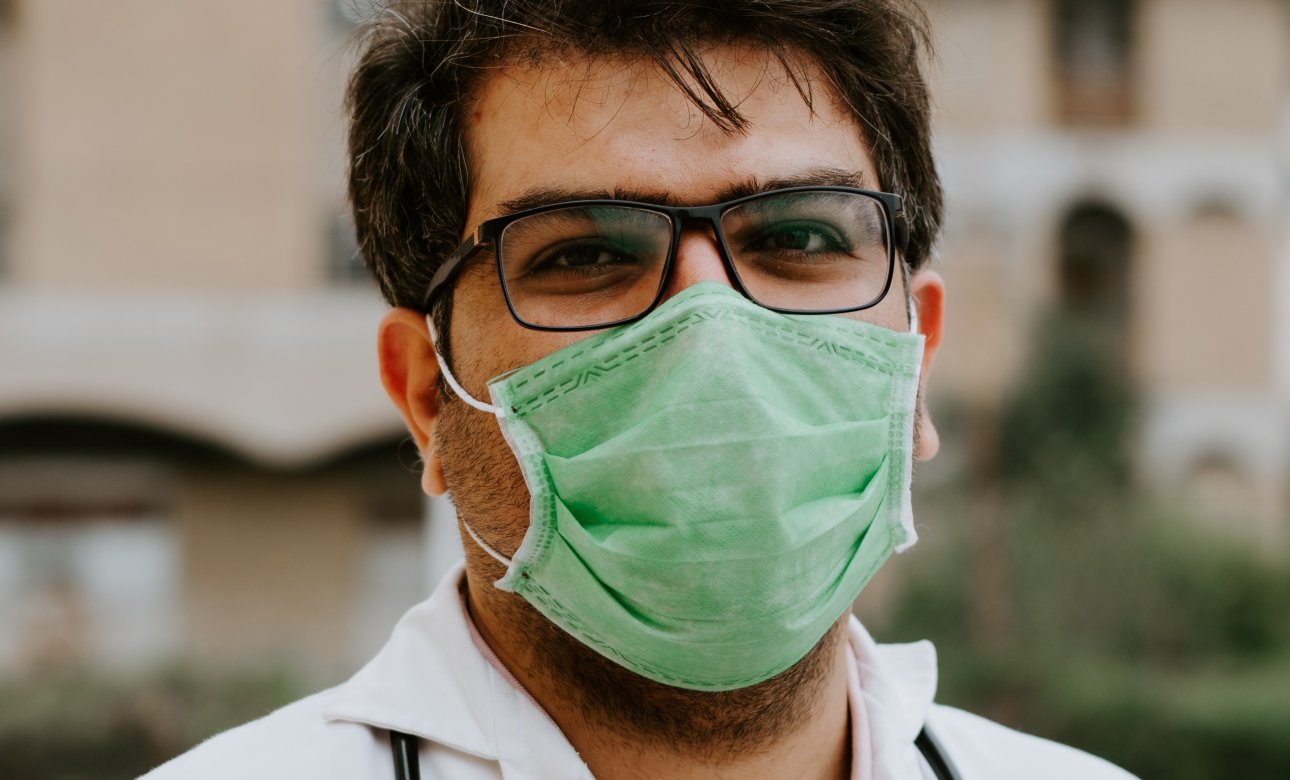
Iran has a reasonably good healthcare system. Since the mid-1980s, average life expectancy has risen from 60 to 77, while infant mortality has fallen from around 50 per thousand live births to 12.
There is a laudable emphasis on primary healthcare. In rural areas, there are “health houses” manned by community healthworkers called “Behvarzes”. If a case is serious, the patient is referred to the district hospital.
The system is funded through a mix of direct government subsidy and insurance schemes. An estimated 90% of the population can access healthcare, and it is not normal for the sick to be turned away if they cannot pay.
In recent years, however, sanctions have put pressure on the system. There is a shortage of medications for some diseases, and maintaining imported equipment is difficult. Improved management systems are also needed.
In early 2026, hospitals were put under even greater strain as tens of thousands were injured during protests. There was pressure on medical practitioners to hand over wounded protesters to security forces, but many brave people continued to treat the wounded in secret.
Christians to shine as they serve the sick.
Ministers responsible for the delivery of affordable healthcare.