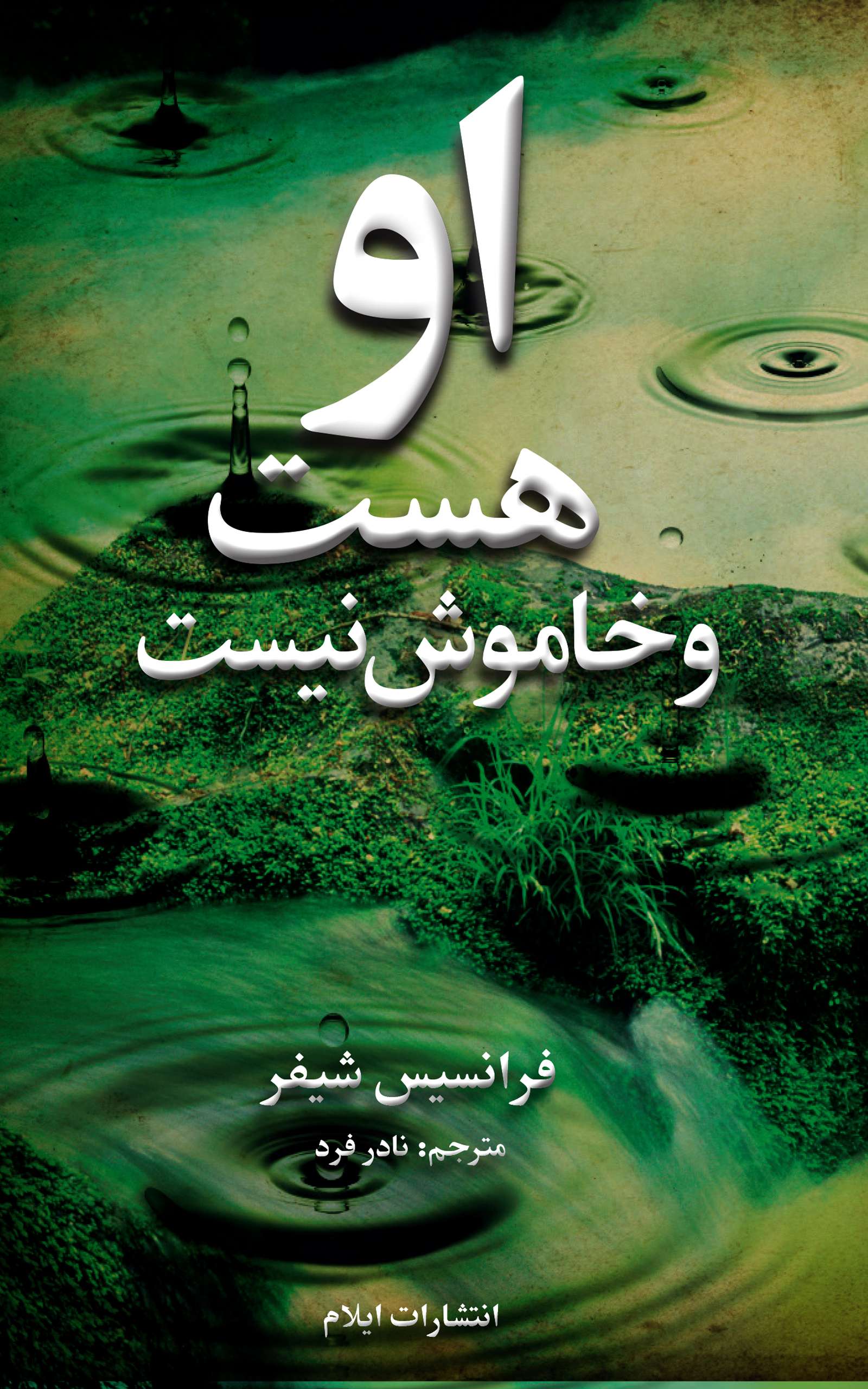
This book deals with the philosophical necessity that in the realms of metaphysics, morals, and epistemology, God is there and He is not silent. We must first recognize the three basic areas of philosophical thought. The first is metaphysics — the realm of being, which deals with 'what is': the question of existence, including human existence; and if human existence is a question, the fact that anything exists at all is a greater one. The second area concerns humanity and the dilemma we face: the human being is personal yet finite, and therefore not a sufficient reference point for their own integration. Sartre makes a further profound observation: no finite point has meaning unless it has an infinite reference point. We as Christians agree. The human being is limited and finite, not a sufficient reference point for themselves — and yet distinct from the non-human: in contrast to everything impersonal, human beings are personal. The third area explored in this book is epistemology — the question of knowing. In the three basic areas of philosophical thought the possible answers are few, though around those basic answers the possible details are many. Grasping this helps us greatly, whether we study philosophy at university and wrestle with its difficult debates, or preach the gospel to ordinary people. In either case, while the possible details are many, the possible foundational answers are not. Epistemology is the theory of the method or grounds of knowledge — the theory of knowing: how we know, and how we can be sure that we know. Epistemology is the central problem of our generation; indeed, the familiar phrase 'the generation gap' really points to an epistemological gap, for the new generation's view of knowledge differs fundamentally from that of the generations before it.